Tiempo frente a la pantalla
Las interpretaciones en directo de bandas sonoras de películas, muy apreciadas por el público, son una compleja sincronización entre tecnología, arte y emoción.

Picture this. You’re a conductor standing in front of an audience, with an entire orchestra glued to your baton, and you’re leading it through the operatic climax of E.T. the Extra-Terrestrial. Steven Spielberg’s 1982 fantasia crescendoes as the title character boards his spaceship and his human friends bid him a tearful goodbye. John Williams’ Oscar-winning score swells with bittersweet grandeur, italicizing many of the minute gestures onscreen with corresponding gestures in the music. This meticulous level of synchronization often relies on a “click track,” a kind of guided metronome in the conductor’s and musicians’ headphones. Then, all of a sudden...the click track cuts out.
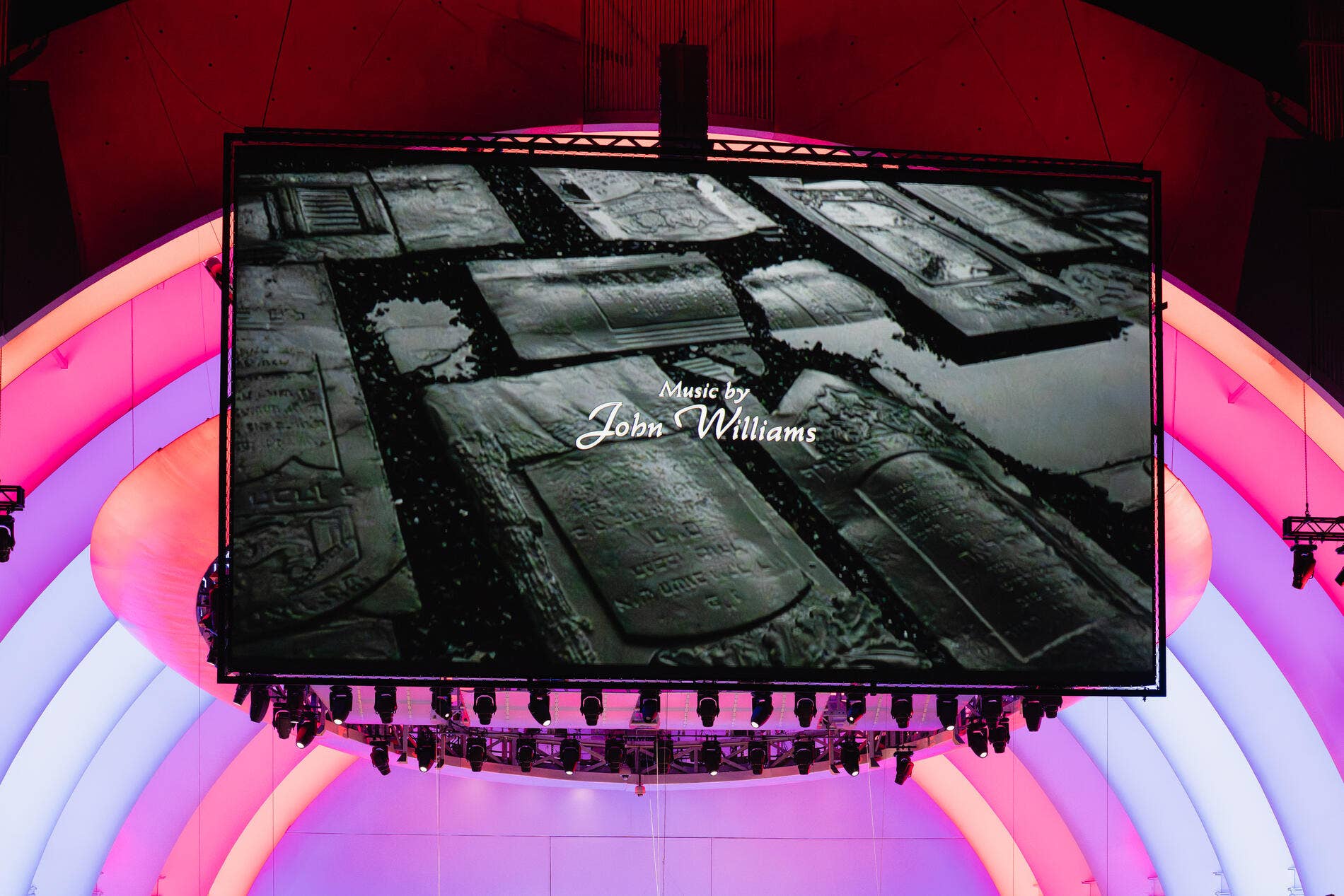
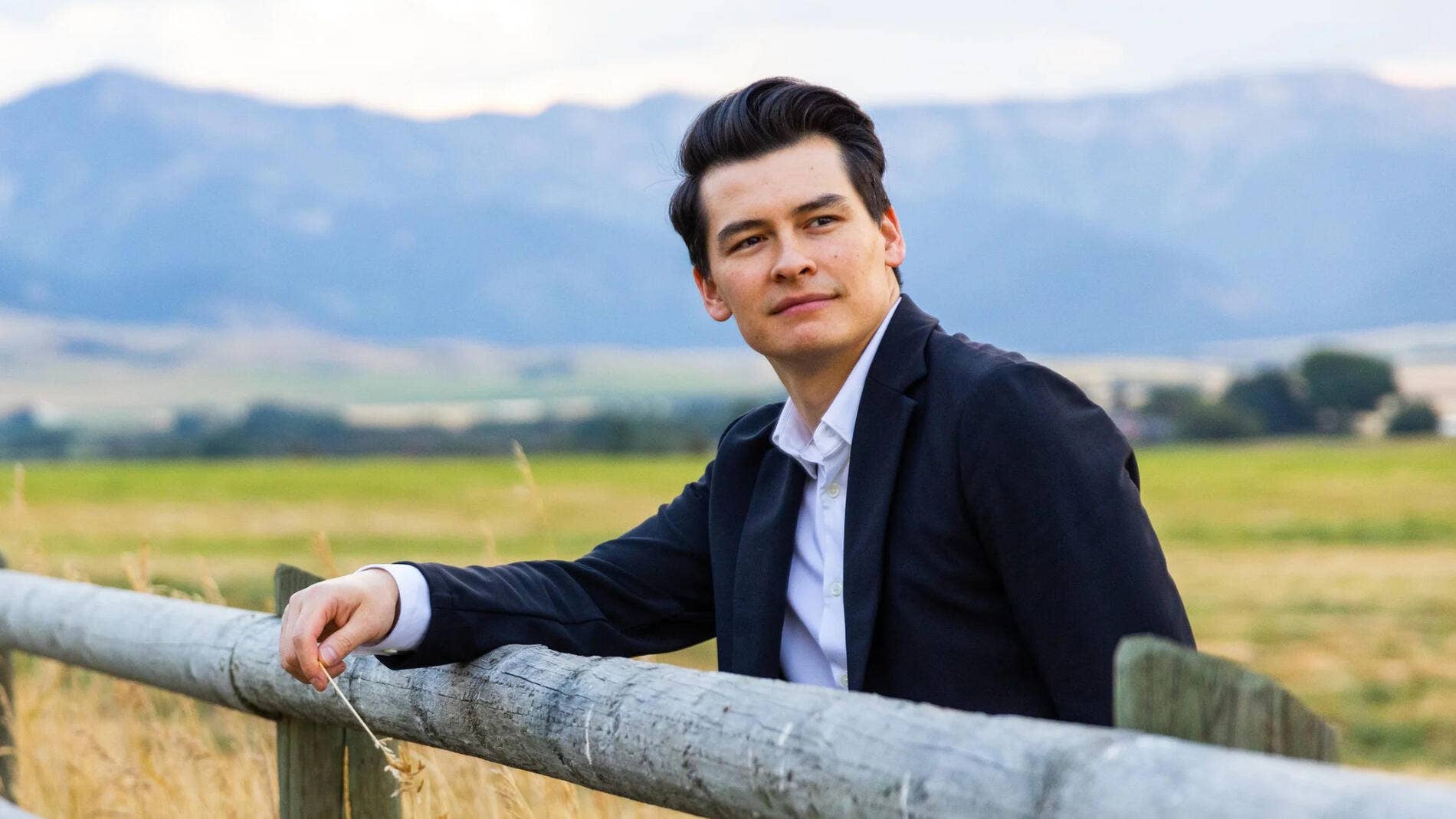
“I kind of had a freak-out moment,” says Norman Huynh, who had this very experience while conducting E.T. live to picture in Oregon several years ago (and who conducts Amadeus live to picture with the Los Angeles Philharmonic at the Hollywood Bowl this September). But then, he says, “it felt so free after that, because I had the punches and streamers there in front of me—the tempo, essentially—and I felt like I could actually make adjustments and kind of broaden things when needed, and then sync the moments that needed to be there. I haven’t gone back to click since.”
Estas son solo algunas de las consideraciones que hay que tener en cuenta en el prolífico fenómeno de los conciertos en los que se proyectan películas acompañadas en directo por una orquesta sinfónica que interpreta la banda sonora. Para el público, los conciertos con música en directo acompañando a la película son una forma divertida de volver a disfrutar de una película conocida de manera colectiva —quizá para dar a conocer una película a sus hijos o amigos— y, a menudo, al aire libre. Para los directores de orquesta y los músicos, suponen un delicado equilibrio de sincronización milimétrica, que depende de una tecnología que no existía hasta hace muy poco.
David Newman, who will conduct How to Train Your Dragon at the Bowl this summer (as well as the clips-heavy Maestro of the Movies: A Tribute to John Williams), has been conducting film scores live to picture since the 1980s, when he was music director of the Sundance Institute. In 1989 he conducted an original score—his own composition—to the 1927 silent classic Sunrise. Back then, it was projected on film, “so it was infinitely more difficult to synchronize the conductor video with the presentation video,” Newman says. And rehearsing was a nightmare, because “you really couldn’t stop and go back and go forward. You just had to sort of run the film. If they stopped the film, they had to hand-crank it back.”
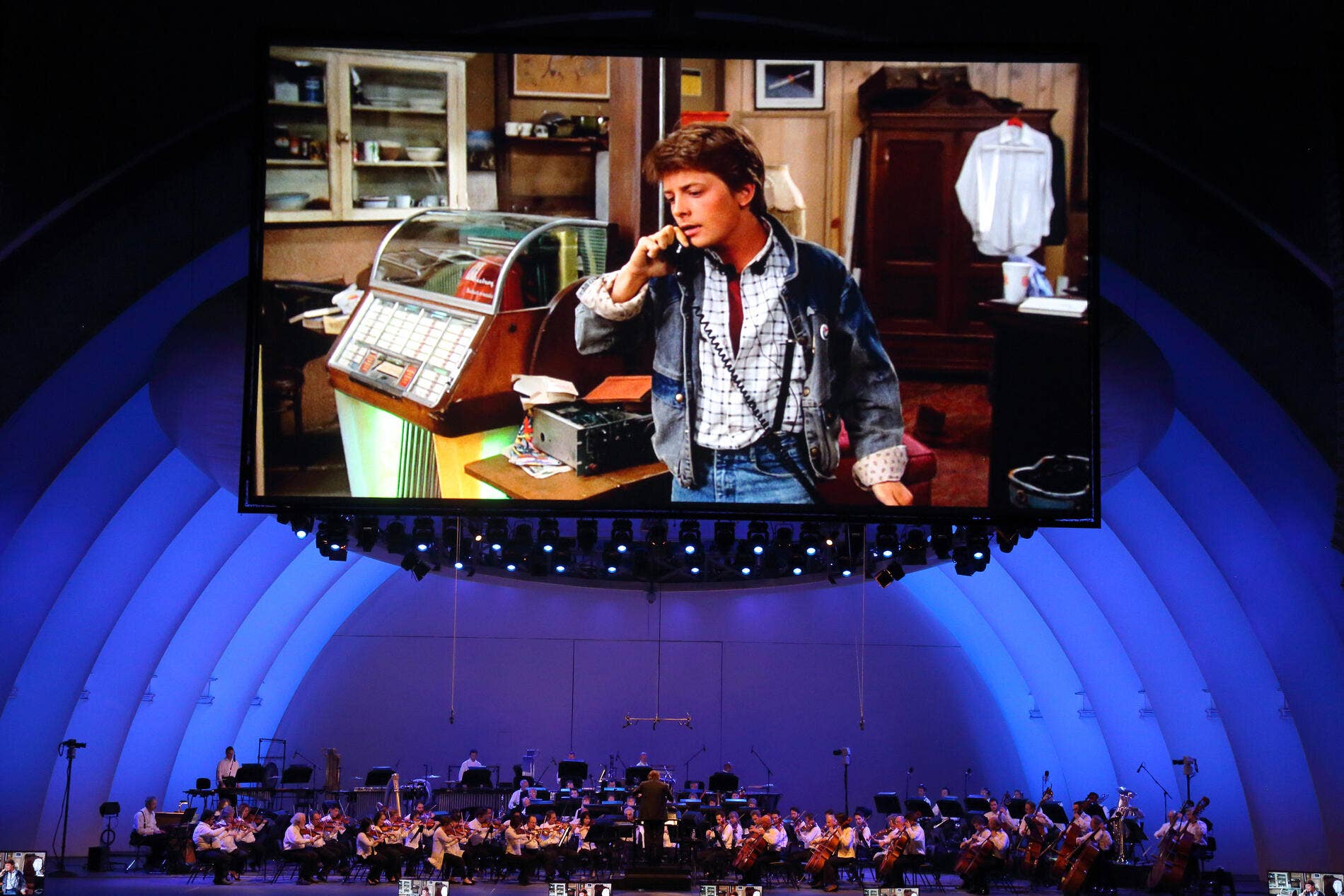
The very first “live to picture” concert performed by the Los Angeles Philharmonic was Sergei Eisenstein and Dimitri Vasilev’s Alexander Nevsky (1938), with a score by Sergei Prokofiev conducted by André Previn in 1987. For the next two decades, it was almost always silent films, or isolated scenes or sequences, that were attempted in concert; anything else would have been logistically impossible. (Pioneers like producer John Goberman and John Mauceri, former Principal Conductor of the Hollywood Bowl Orchestra, helped develop the systems that made these types of concerts possible.) But around 15 years ago, advances in digital technology allowed for a breakthrough. Not only could films be run off of hard drives, and thus paused and navigated breezily, and not only could those digital “punches” and “streamers”—lines that indicate when to start a musical cue and other helpful directions—be added to the screen on the conductor’s music stand, but in the case of older films, the original score recording could be siphoned out from a mono track that also contained vocals, dialogue, and sound effects.
In 2011, Newman conducted the world-premiere live presentation of West Side Story at the Bowl. What was previously unthinkable became gloriously possible—the LA Phil could perform the sumptuous strains of Leonard Bernstein’s “Maria” and “America” in perfect harmony with 50-year-old recordings of Jimmy Bryant and Rita Moreno (who sang on the beloved 1961 film). “It was like a bomb went off,” says Newman, who brought the same presentation to the New York Philharmonic later that year, “in the sense that obviously the audience wanted it. So when they presented it, people showed up. There was a lot of energy at the concerts. And so I think all the orchestras eventually took notice of it. It was easy to sell tickets.”
Since then, the LA Phil regularly presents complete films in concert—from 1958’s Vertigo, screened at Walt Disney Concert Hall with the Los Angeles Philharmonic in March, to 2022’s Top Gun: Maverick with the Hollywood Bowl Orchestra at the Bowl this August. “In the beginning, I thought, ‘Wow, this is going to be extra exciting,’” says Joanne Pearce Martin, keyboardist for the Los Angeles Philharmonic since 2001. “Because there’s no going back. I mean, there isn’t in a live concert either, but you’ve got these very important moments where synchronization is so important.
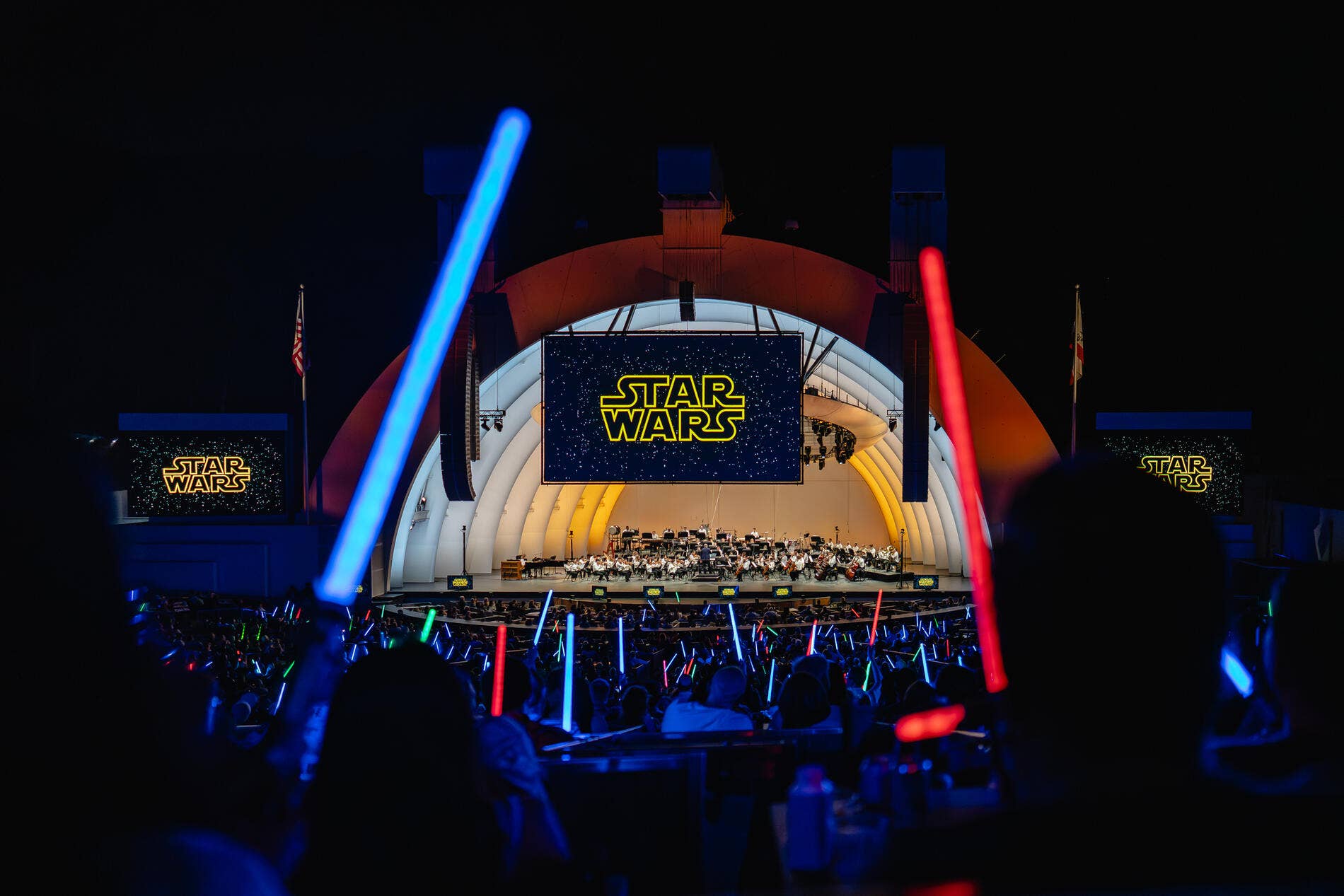
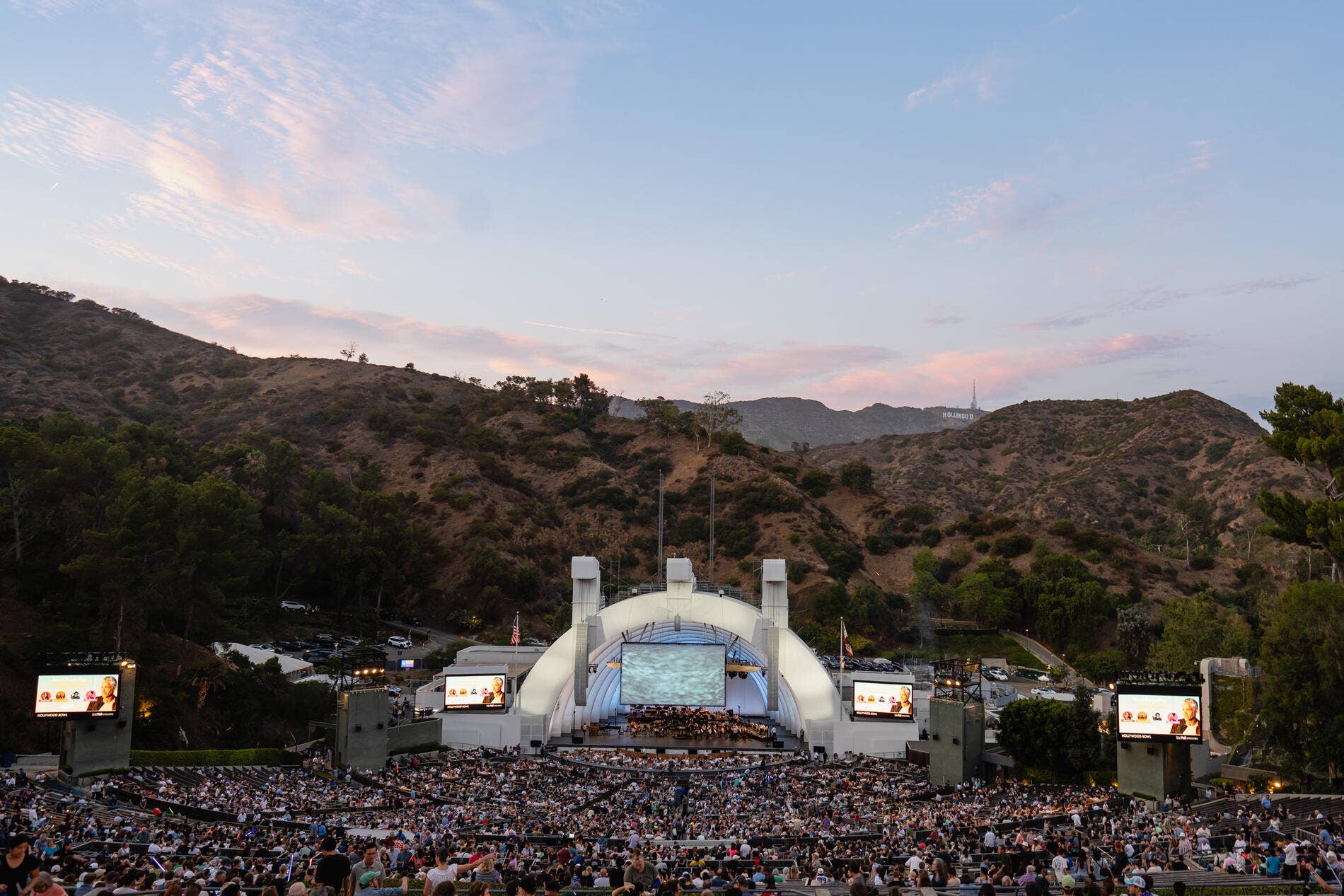
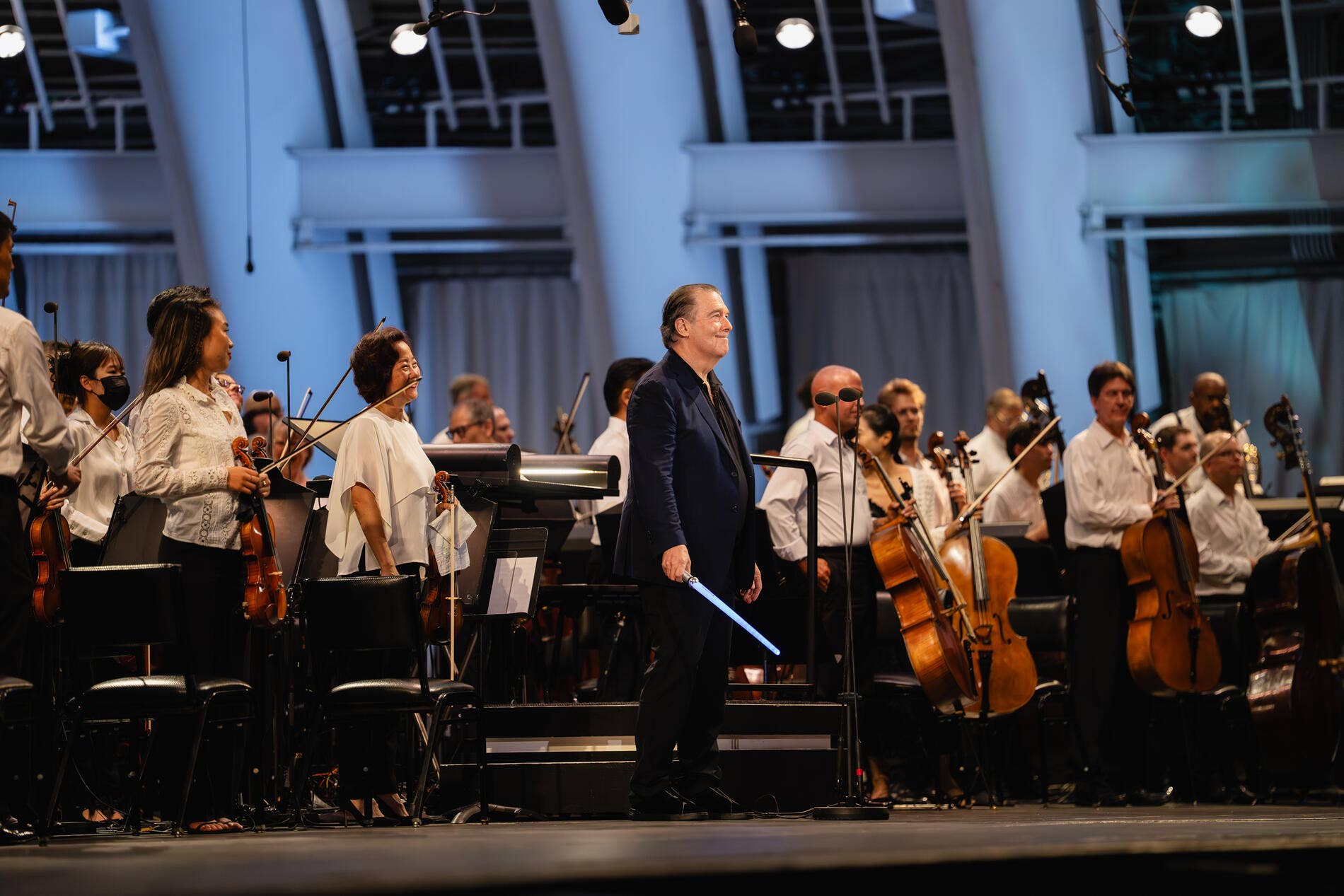
“In regular concert playing,” Martin says, “you always have to have this mutual trust. But I think there’s a whole new level of trust necessary in the live-to-picture situation between conductor and musicians. So it’s great when we have somebody up there that we are absolutely comfortable with.” Martin praises Sarah Hicks, who has conducted multiple Harry Potter films and most recently Vertigo with the LA Phil—and also Newman. “David is unbelievable up there,” she says. “He is always so impressive with how much he does off click. He just has such assurance and such familiarity with these scores, and with us, that he feels that he can pull us along exactly to where we need to be. And we always get there with him.”
Among the other unique challenges, the orchestra often gets only one or two rehearsals before the show. Conductors like Newman and Huynh study the scores and the films religiously ahead of time, so they can quickly guide the orchestra into not only the notes but also the dramatic intention of the score. Musicians need to stay exactly in time with the movie but also be prepared to hear rollicking laughter or applause at iconic lines like “You’re gonna need a bigger boat” in Jaws. That’s not exactly something they’re used to in a Mahler symphony.
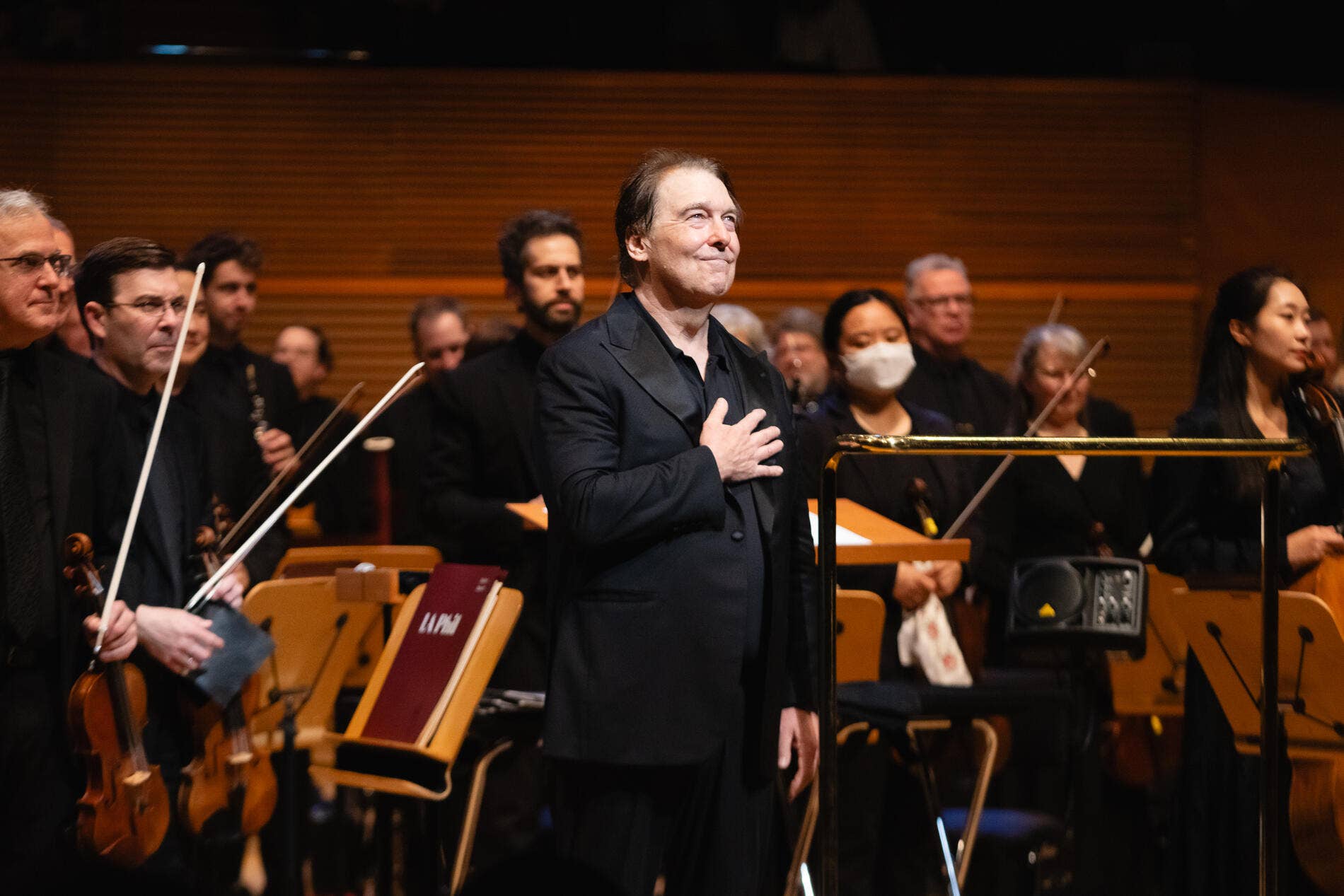
«No hay nada que te prepare para la energía que desprende el gigantesco público del Bowl después de eso», dice Martin, riendo. «Y muy a menudo tienes una frase como esa a la que le sigue inmediatamente la música. Así que es casi como si ni siquiera pudieras oír lo que se supone que debes oír. Y ahí es donde entra en juego la confianza: estás clavado a ese podio, y quienquiera que esté ahí arriba, te dirá: “¡Listo, adelante!”... da igual lo que oigas o lo que no oigas».
Tim Greiving es un periodista e historiador especializado en arte de Los Ángeles, dedicado a la música cinematográfica. Escribe habitualmente para el *Los Angeles Times* y ha colaborado con la NPR, *The Washington Post* y *The New York Times*, entre otros medios. Su libro, *John Williams: A Composer’s Life*, fue publicado en 2025 por Oxford University Press.
Historias relacionadas

Hollywood Bowl dedicado a John Williams
La ceremonia de nombramiento rindió homenaje a las contribuciones de Williams al Bowl, La Phil y la música orquestal a lo largo de muchos años.

Entre bastidores: El sonido del Bowl
Eche un vistazo exclusivo a los sistemas y el diseño que dan a la Bowl su sonido icónico.

Mantener la ecología en el Bowl: Vida salvaje
Fomentar un hábitat amigable para la flora y fauna nativa.

El maestro de Hollywood
Una mirada a las ocho décadas de relación entre el mayor compositor del cine, esta orquesta y el Hollywood Bowl.
Historias relacionadas

History of the Hollywood Bowl Orchestra
Led by Principal Conductor Thomas Wilkins and including some of the best studio musicians in Los Angeles, the Hollywood Bowl Orchestra is the venue’s own world-class ensemble.

Keeping It Green: A Day in the Life of the Bowl
Discover what goes on around the clock during the summer season inside Hollywood’s 88-acre musical backyard.

A favor del medio ambiente: siete décadas de lanzaderas
Un repaso a las cifras y a los usuarios de los sistemas de transporte de la « Hollywood Bowl»

Cinco cosas que probablemente no sabías sobre el «Tchaikovsky Spectacular»
Es uno de nuestros fines de semana favoritos y más trepidantes del verano.

Tu guía para un fin de semana perfecto al estilo de Wes Anderson
Todo lo que necesitas saber para prepararte para nuestra celebración de tres días: Música de las películas de Wes Anderson

La vida salvaje ante la cámara
¡Conejitos, linces, coyotes y mucho más! Descubre quién se pasa por el Hollywood Bowl.